Anti-Aging Peptides
The most rigorously studied longevity compounds in peptide science. From Epithalon's telomere extension to GHK-Cu's cellular gene reset — these peptides address the root mechanisms of biological aging rather than masking its symptoms.
Telomere Biology
Epithalon activates telomerase — extending chromosomal lifespan at the cellular level.
Skin & Gene Reset
GHK-Cu reverses 30% of age-related gene dysregulation in skin fibroblasts.
Hormonal Restoration
GH peptides address the 14% per decade GH decline that drives aging.
Anti-Aging & Longevity Products
Rigorously selected for their evidence base in biological aging mechanisms — from telomere length and gene expression to skin quality and hormonal restoration.



GHK-Cu: The Skin Regeneration Peptide
GHK-Cu (copper peptide GHK) was first isolated in 1973 and has since accumulated over 3,000 published studies. What makes it truly exceptional is its ability to reset gene expression in aging skin cells — not just stimulate collagen, but fundamentally reprogram cellular behavior toward a younger state.
Research by Dr. Loren Pickart found that GHK-Cu reverses approximately 30% of age-related gene dysregulation in human skin fibroblasts. It stimulates synthesis of collagen I, III, and IV, elastin, fibronectin, and glycosaminoglycans — the complete structural matrix of youthful skin.
- Comparable to minoxidil for hair growth in follicle studies
- Reduces fine lines and improves elasticity within 4–8 weeks
- Dual route: subcutaneous for systemic + topical for local skin/hair
- One of the most studied regenerative peptides (3,000+ papers)
3,000+
Published studies on GHK-Cu
30%
Age-related gene dysregulation reversed in fibroblasts
4–8 wks
Typical timeline for visible skin improvements
Dual use
Topical AND subcutaneous protocols available
Telomere Extension
33% increase in telomere length demonstrated in human fetal fibroblast studies — the only peptide with this direct telomere extension data.
Mortality Reduction
27–36% reduction in all-cause mortality in 15-year human follow-up studies by Dr. Khavinson's team — among the most remarkable longevity data for any compound.
Pineal Gland Restoration
Normalizes the age-related dysfunction of the pineal gland, restoring melatonin rhythmicity and dramatically improving sleep quality.
Epithalon: The Telomere Peptide
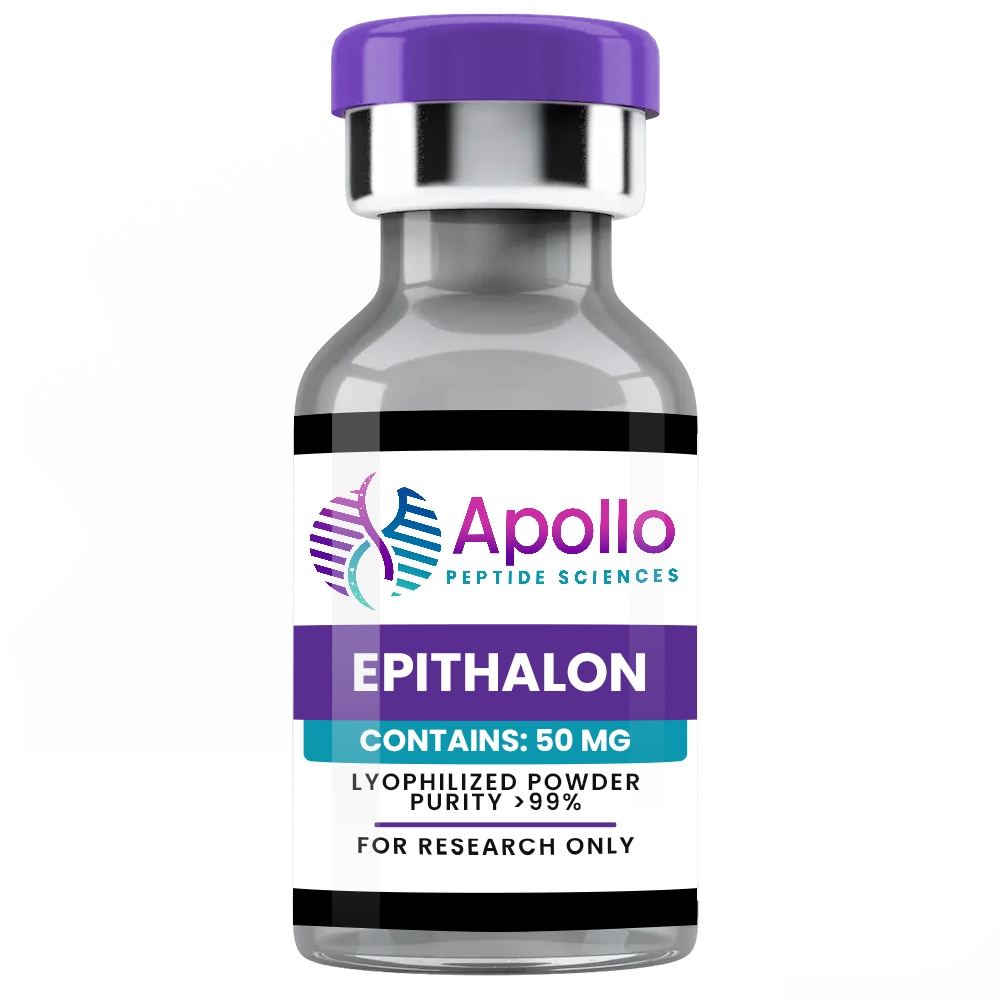
Epithalon (Ala-Glu-Asp-Gly) is a synthetic tetrapeptide developed by Dr. Vladimir Khavinson at the St. Petersburg Institute of Bioregulation and Gerontology. With over 40 years of research and the most remarkable human longevity data of any peptide compound, Epithalon stands in a category of its own.
Its primary mechanism is activation of telomerase in somatic cells — the enzyme that rebuilds telomere caps on chromosomes. This directly addresses one of the fundamental molecular clocks of aging. Beyond telomere biology, Epithalon normalizes pineal gland function and restores circadian melatonin rhythmicity that deteriorates with age.
Epithalon Protocol GuideLongevity Elite Stack
A comprehensive anti-aging protocol combining Epithalon for telomere extension, GHK-Cu for cellular rejuvenation, and NAD+ for mitochondrial restoration and sirtuin activation.
Epithalon
5–10mg daily
Evening subcutaneous injection
Run as 10–20 day burst protocol 1–2× per year
GHK-Cu
1–2mg daily
Morning subcutaneous injection
Also apply topically to face and scalp for local anti-aging effects
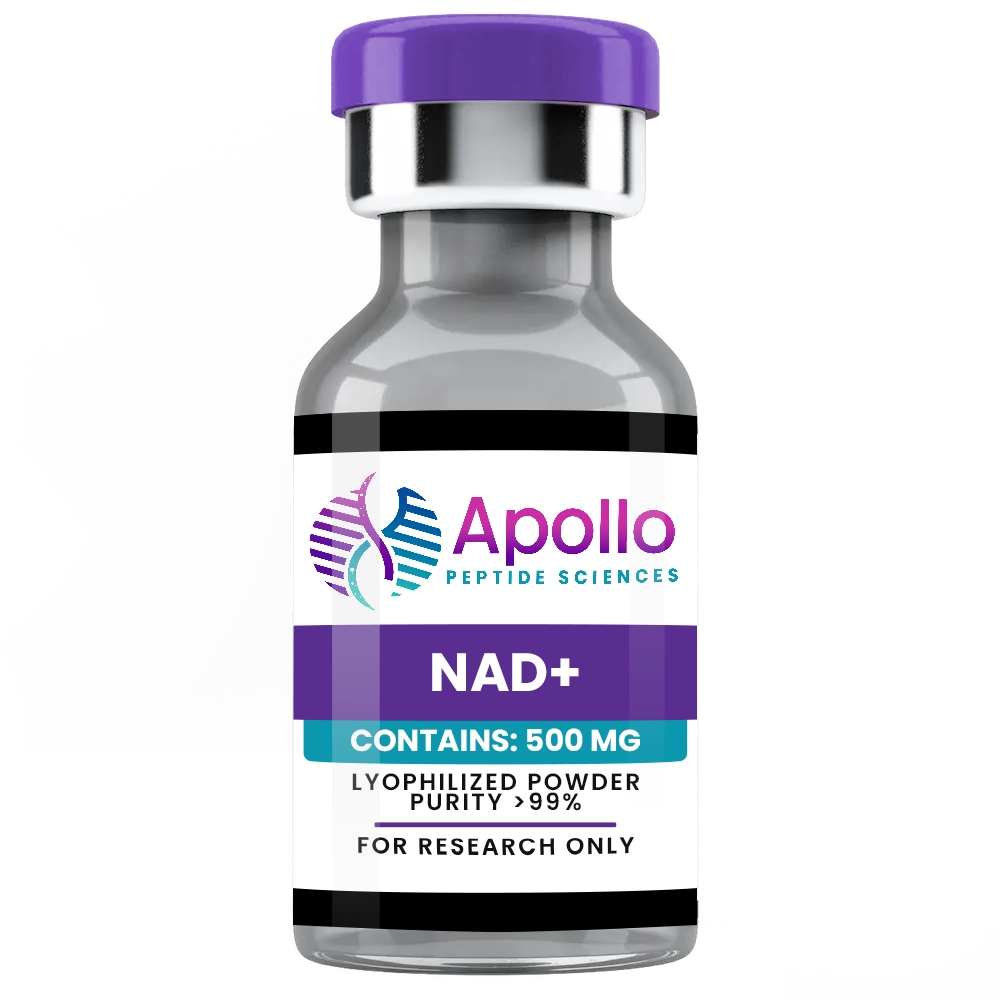
NAD+ 500mg
100–300mg
Morning subcutaneous, 2–3× per week
Activates sirtuins and restores mitochondrial function year-round
Anti-Aging Peptide FAQ
How does Epithalon extend telomere length?
Epithalon activates the enzyme telomerase in somatic cells. Telomerase is responsible for rebuilding the telomere caps on chromosomes that shorten with each cell division. In human fibroblast studies, Epithalon produced a 33% increase in telomere length — the only peptide with this level of direct telomere biology data.
How quickly does GHK-Cu improve skin appearance?
Most users see noticeable improvements in skin firmness and hydration within 2–4 weeks of daily use (subcutaneous or topical). Reduction in fine lines and improved elasticity typically become visible by weeks 4–8. The underlying mechanism — gene expression reset — continues improving skin quality over months of consistent use.
How often should I run an Epithalon cycle?
The clinical protocol from Dr. Khavinson's research is 10–20 days of daily injections (5–10mg/day), run 1–2 times per year. This burst approach mirrors the original study designs that showed 27–36% mortality reduction in long-term human follow-up data. Running it more frequently offers no known additional benefit.
Is GHK-Cu safe for topical and systemic use simultaneously?
Yes. Many users apply GHK-Cu topically to the face and scalp for local skin and hair benefits while also injecting subcutaneously for systemic effects. The two routes are complementary and there are no known negative interactions. The topical concentration typically used is 0.1–1%.
Can anti-aging peptides be stacked with GH peptides like Sermorelin?
Absolutely — this is exactly what the Longevity Elite stack does. GH decline is one of the primary drivers of biological aging, and addressing it with Sermorelin or Ipamorelin/CJC while running GHK-Cu and Epithalon covers the three most important anti-aging mechanisms simultaneously: telomere biology, cellular gene expression, and hormonal restoration.
Begin Your Longevity Protocol
The Longevity Elite stack covers the three primary mechanisms of biological aging in a single comprehensive protocol.